 Open full image
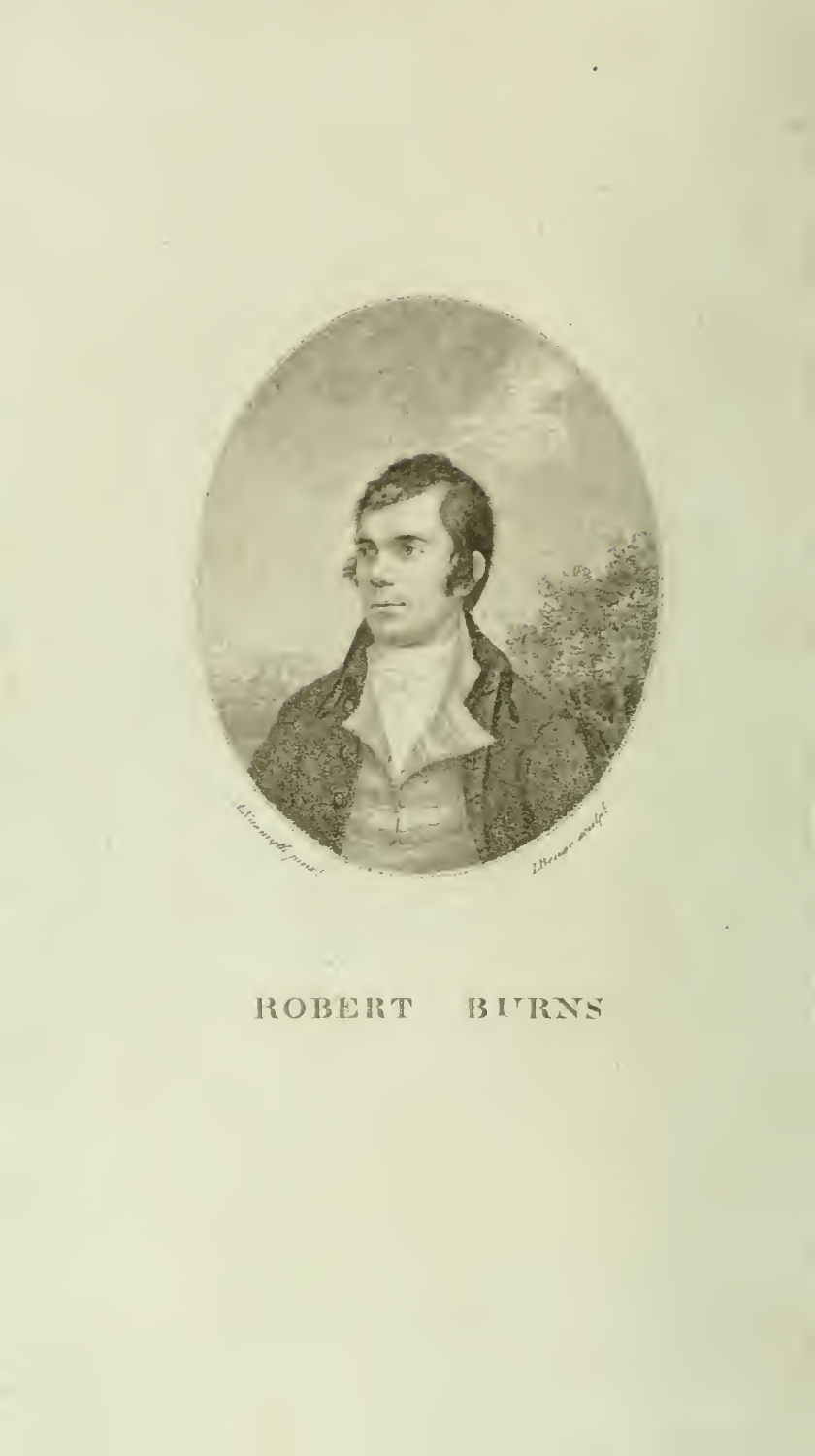
Beugo after Nasmyth · 1787 · Source
Robert Heron published a memoir of Robert Burns in 1797, within a year of the poet’s death. Readers were already being offered an account of the life behind the poems, before James Currie’s larger collected edition appeared in 1800.
Readers soon came to know Burns through the accounts of his life as well as through his poems. Editors chose which incidents to tell, judged how he had behaved and connected poems with events in his life. Their choices influenced how readers thought of him.
Currie’s later edition combined biography, correspondence and verse in four volumes and was intended to help support Burns’s widow Jean Armour and their children. Its scale made it influential, but readers already had a different account of Burns’s life from Heron. Subsequent family correspondence, especially from Burns’s brother Gilbert, challenged editorial choices and pressed for a different presentation of his conduct and character.
Sources
- Leith Davis, Negotiating Cultural Memory: James Currie’s Works of Robert Burns · opening discussion through dedication
- Annual Burns Chronicle and Club Directory, No. VII · BurnsChronicleVII1898,pp.13–19,EarnockManuscripts