 Open full image
Roger Griffith (Rosser1954), CC BY-SA 4.0. · Licence · Source
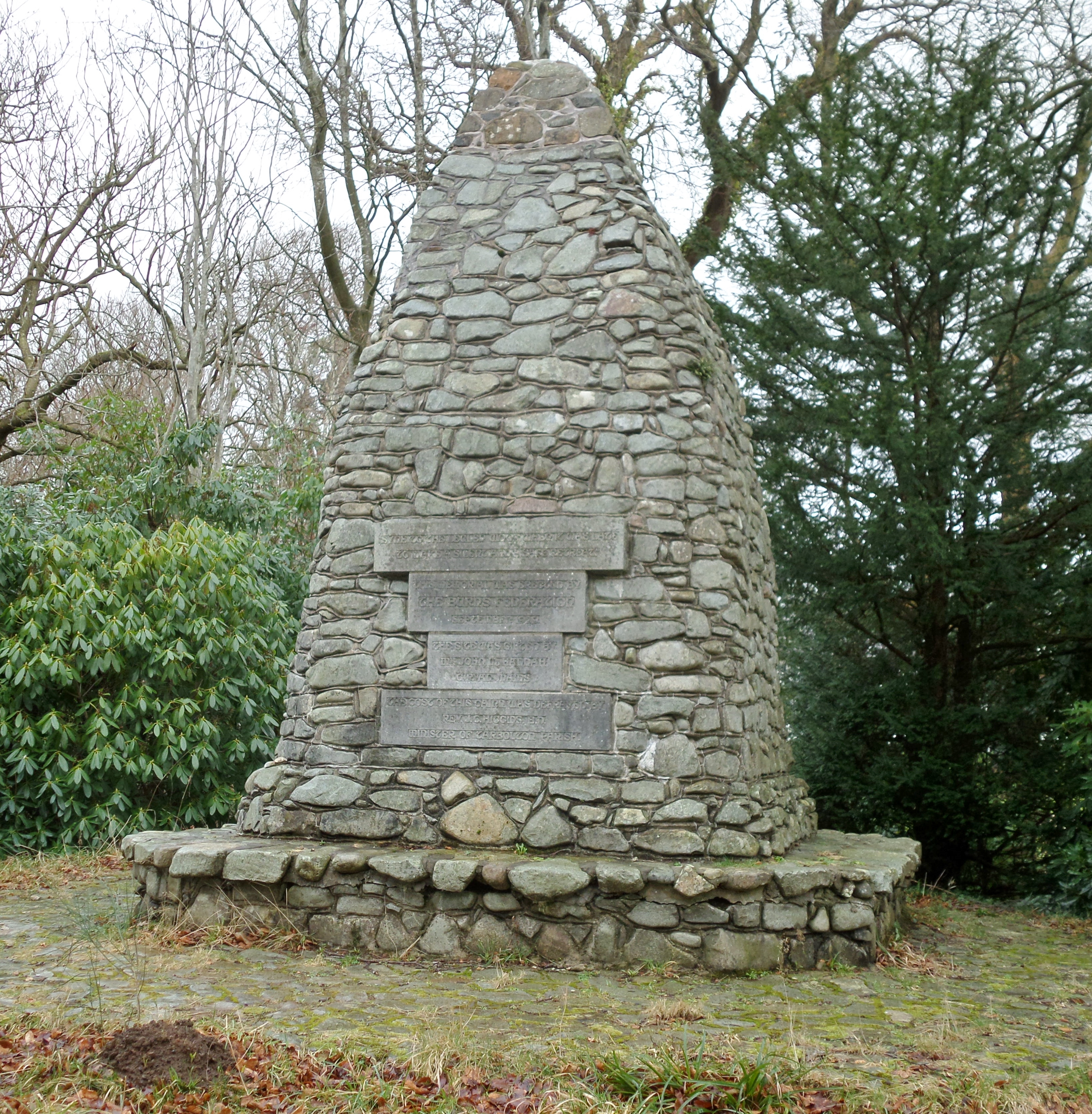
A book about William Wallace, the Scottish leader who fought against Edward I, sent the young Robert Burns walking to Leglen Wood. In a letter to Frances Dunlop in November 1786, he remembered travelling about six miles on a summer Sunday, the one day he could spare. Lines in the story named the wood as a refuge, and he explored its hollows imagining where Wallace might have sheltered.
Books reached him through people nearby. His brother Gilbert recalled that their teacher John Murdoch lent Robert a life of Hannibal; the Wallace book came from the blacksmith who shod the family’s horses. Robert remembered both as powerful early reading experiences.
At Leglen he was already trying to write verse and wished he could make a song worthy of his hero. Years later he told Dunlop the story while thanking her for ordering his poems. The date of the boyhood walk is uncertain. As Burns recalled it, reading about Wallace had led him to explore a place he knew of from the book and to think of writing a song himself.
Sources
- Robert Burns and Mrs. Dunlop, volume I · I 3
- Robert Burns and Mrs. Dunlop, volume I · I 3
- The works of Robert Burns; with an account of his life, volume I · Currie 1800 I,pp 38–39,60–61