 Open full image
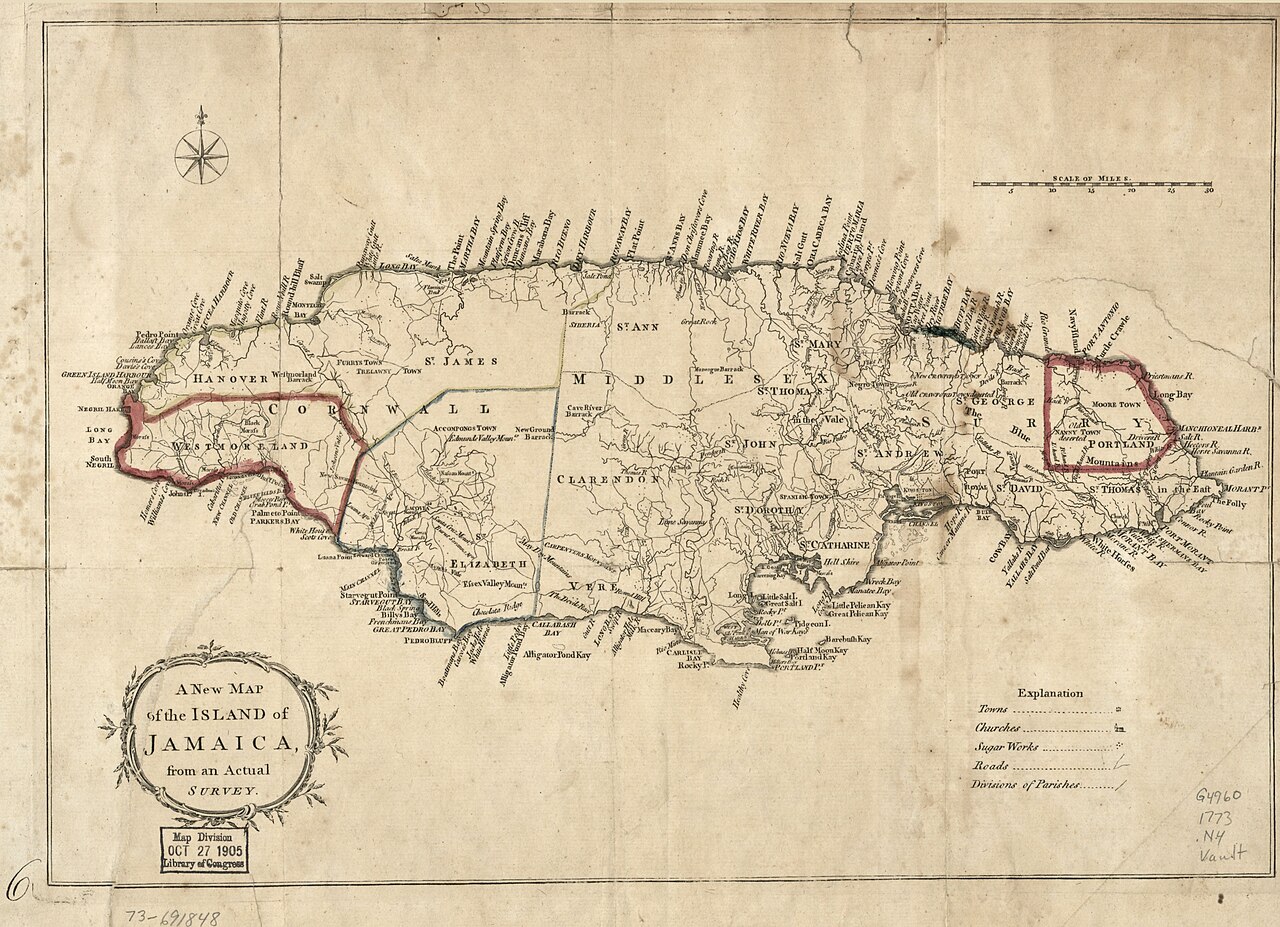
Library of Congress, map73691848; public domain. · Licence · Source
In 1786 Robert Burns prepared to leave Scotland for Jamaica. The proposed employment involved supervising enslaved labour. Farming at Mossgiel had disappointed him, his personal circumstances were troubled, and he gave up his share of the farm to his brother Gilbert.
Before departing, Burns decided to publish his poems. In the account he sent John Moore the following year, he remembered taking subscriptions for about 350 copies and receiving nearly £20 after expenses. He said that, once he had nine guineas, he bought a steerage passage on a ship due to leave the Clyde.
Thomas Blacklock's praise encouraged the prospect of a second edition in Edinburgh. Burns described that encouragement as overturning his plans and directing his poetic ambition towards the city. He remained in Scotland. The proceeds from the book helped him pay for his passage, and its reception helped persuade him to stay.
Sources
- The Complete Works of Robert Burns: poems, songs and correspondence · Letter LXXIV, pp.355–357