Who put Burns’s papers into print?
In August 1796 John Syme was up early near Dumfries, writing to his friend James Currie in Liverpool. His work at the stamp office had kept him counting and cutting linen for the new duty on hat linings. Now he had letters about Robert Burns to answer as well. Burns had died in July. Among Burns’s papers, Syme and his friends had found drafts of letters the poet had corrected and kept. Here, Syme thought, was enough for a volume, perhaps two.[1]
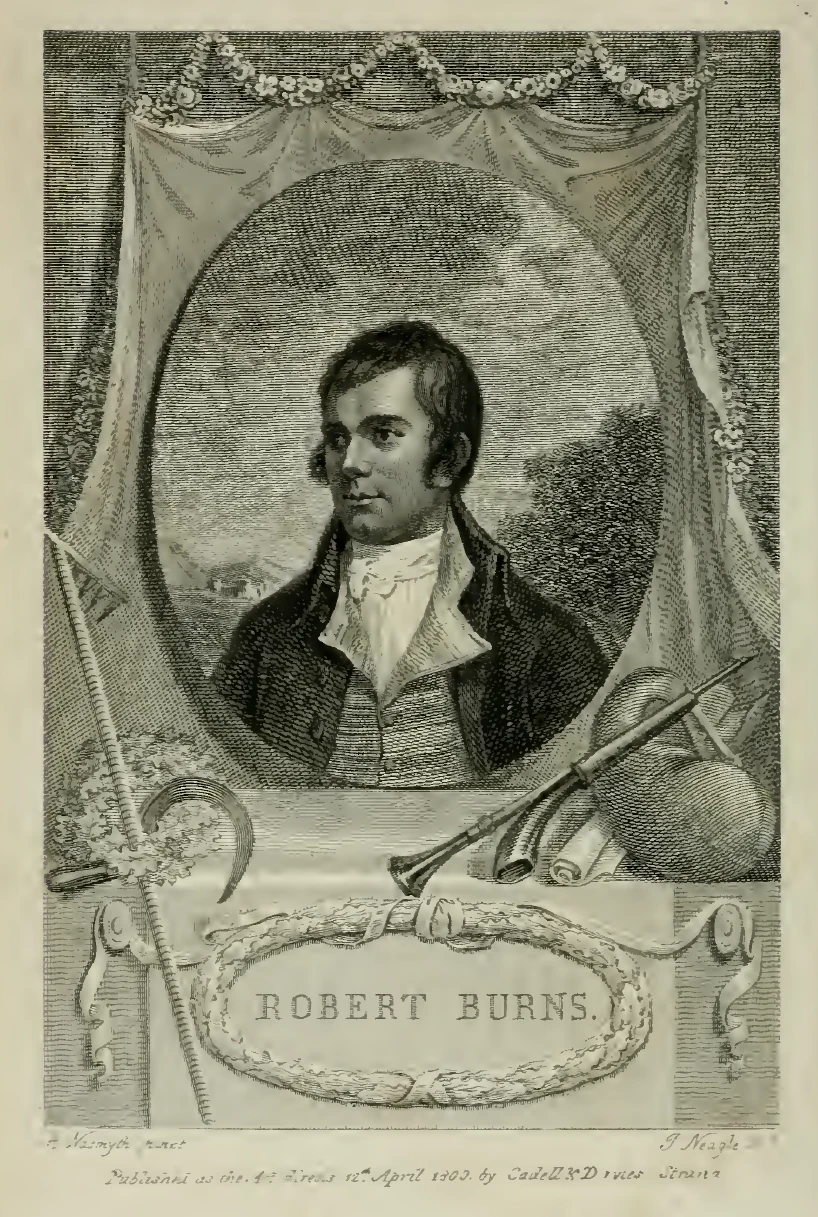
Syme had already helped raise a subscription for Jean Armour and her children. He told Currie that people locally had given between one and ten guineas each. He hoped the fund would keep the family for two or three years. After that, sales of an edition of Burns’s writings might bring them an income.[1]
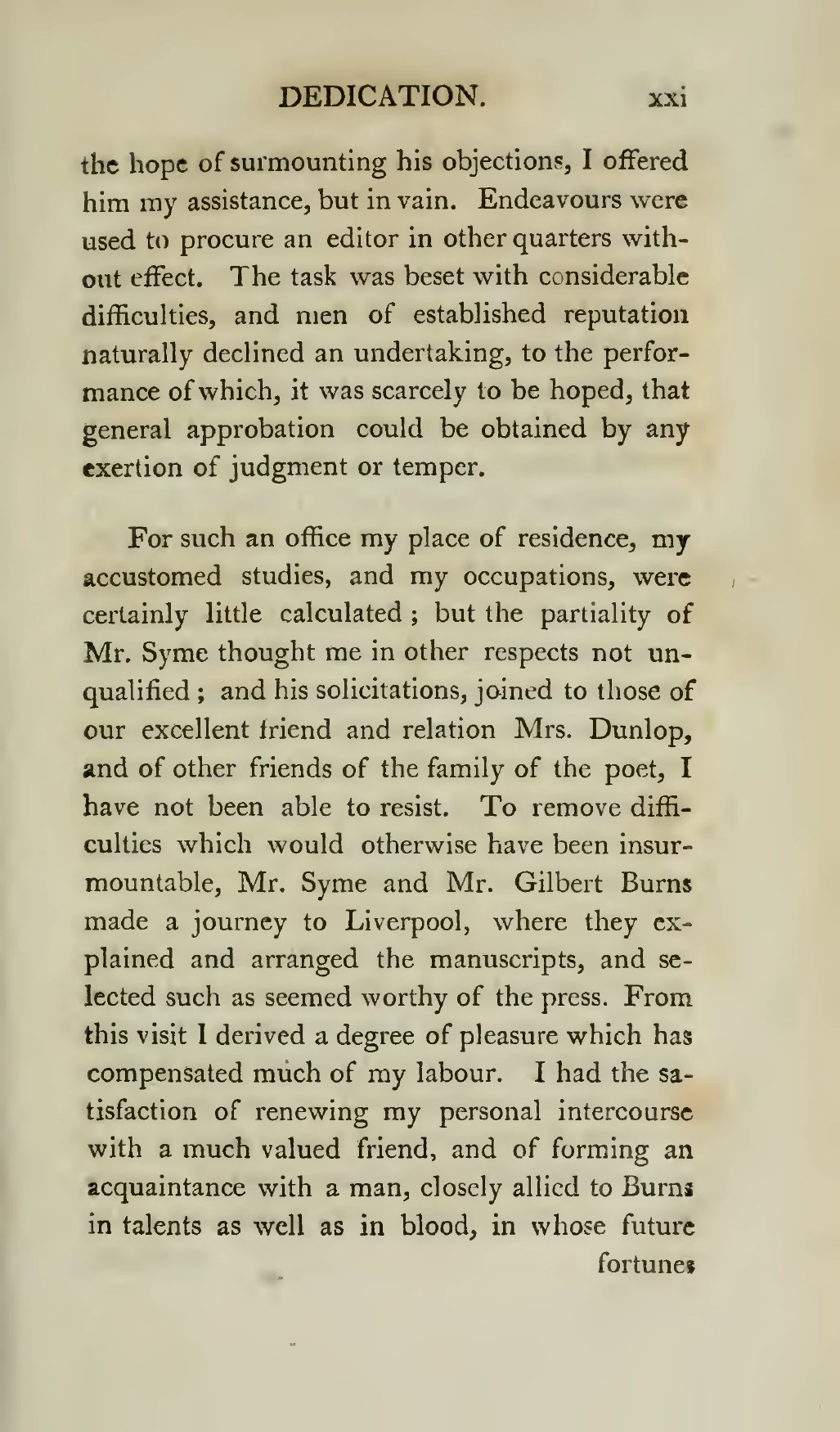
The book needed someone to choose what to print and write a life of the poet. Syme declined. Currie, a Liverpool physician who had met Burns once in Dumfriesshire in 1792, offered to help if Syme would take it on. The friends tried elsewhere for an editor. Eventually Syme, Frances Dunlop and others persuaded Currie to do the work himself.[2]
The papers in Liverpool
In 1797 Gilbert Burns travelled to Liverpool with Syme. Gilbert’s pocket-book, now at the Robert Burns Birthplace Museum, contains his account of the trip. Together the poet’s brother and his friend went through the manuscripts with Currie. They explained them, put them in order and chose the pieces they thought worth printing.[3][2]
Gilbert could tell Currie where the books his brother read as a boy had come from. Their schoolmaster John Murdoch had lent Robert a life of Hannibal. The book about William Wallace came later, from the blacksmith who shod the family’s horses. Currie printed Gilbert’s recollection from a letter to Frances Dunlop. For the tour through Galloway in 1793 he turned to Syme, who began his account by finding Burns a grey Highland pony for the ride.[4]
In a letter to Dr John Moore, Robert had linked the family’s fortunes to those of the Jacobite Earl Marischal. Gilbert questioned the dates and remembered a certificate among his father’s papers saying that the bearer had taken no part in the rebellion. At Gilbert’s request, Currie left the passage out when he printed Robert’s letter in the first volume. Copies of the letter were already circulating in manuscript, so further on in the same volume he printed the disputed passage alongside Gilbert’s reasons for doubting it.[5]
Four volumes for the booksellers
More of Burns’s letters reached Currie after printing had begun. Early on, worried that he might be short of material for the volume of correspondence, he had included some letters written to Burns. By the time he sent the finished set to the London booksellers Cadell and Davies on 3 May 1800, he wished he could give some of those pages to Burns himself. The Liverpool printer, John McCreery, had run short of paper. The first volume went out without the index Currie had wanted.[6]
Some subscribers had paid in advance, so Currie had fixed the price of the widow’s sets at thirty-one shillings and sixpence for all four volumes. On 11 August the booksellers wrote back to Liverpool. By their reckoning, the copies they had left would scarcely meet a month’s demand. They were ready to put two or three printers to work on another edition.[6][7]
References
- John Syme to James Currie, Ryedale, letter begun on 16 August 1796. University of Glasgow, The Letters of James Currie.
- James Currie, dedication to Captain Graham Moore, The Works of Robert Burns (Liverpool, 1800), volume I, pp. xix–xxiii.
- Robert Burns Birthplace Museum, Gilbert Burns’s pocket-book, 1797, NTS/02/25/BRN/03/04/01.
- Currie, volume I, Gilbert on his brother’s schoolbooks, pp. 60–61, and Syme on the Galloway tour, pp. 206–207.
- Currie, volume I, the passage from Burns’s letter to John Moore and Gilbert’s objection, pp. 81–82.
- James Currie to Cadell and Davies, Liverpool, 3 May 1800. University of Glasgow, The Letters of James Currie.
- Cadell and Davies to James Currie, London, 11 August 1800. University of Glasgow, The Letters of James Currie.
Visit Currie’s 1800 edition on the timeline
Meet Gilbert Burns in People Explorer