Learning to argue at the Bachelors’ Club
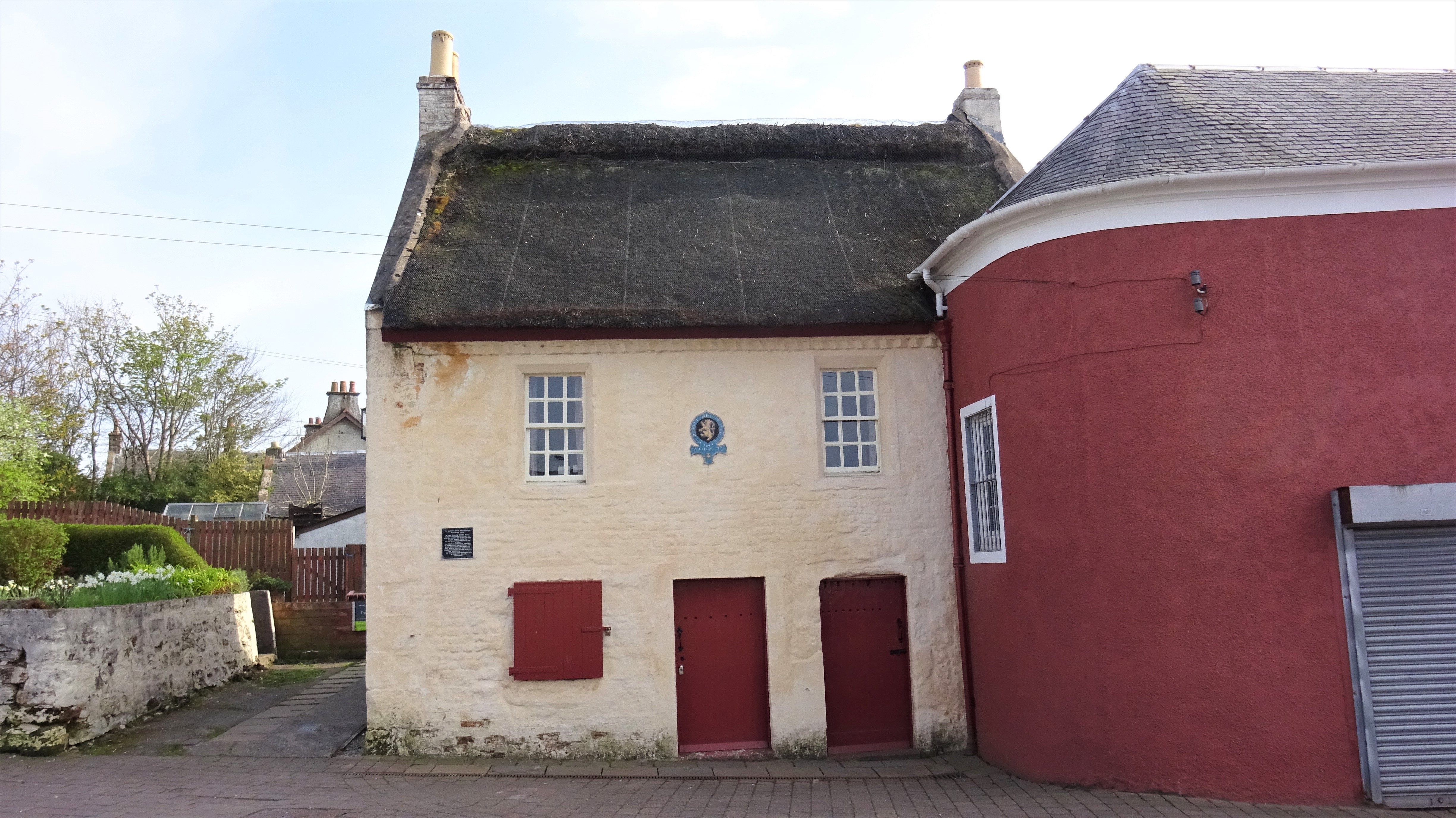
For their first debate, the young men of the Tarbolton Bachelors’ Club chose a question about marriage and money. Suppose a farmer without a fortune could marry either a wealthy woman, capable of managing a farmhouse but “neither handsome in person, nor agreeable in conversation”, or a woman he found agreeable in every way who had no fortune. Which should he choose? The club’s own history, printed by James Currie in 1800, dates that first meeting to 11 November 1780, in John Richard’s house at Tarbolton. Robert Burns was chosen president for the evening.[1]
Robert and Gilbert Burns were among seven founders named in the account. The marriage question brought affection into direct contact with the economics of establishing a household. It was framed entirely around the young man’s choice. Currie later reported finding notes for a speech in which Burns took what the editor called the “imprudent side” of the question.[1]
The club’s preamble explains why these men wanted such evenings. People who earned their living through bodily labour needed relief from exhaustion; study could tire the mind too. Their society would offer amusement and companionship within agreed rules. Its opening verses described the members as “ploughmen and mechanics”, while the prose declared that the great purpose of human society was to become “wiser and better”. They were making room for intellectual pleasure in lives occupied by work. Currie credited Burns with providing the regulations.[1]
The regulations gave argument a practical shape. They prescribed a meeting every fourth Monday night, with disputed points of religion excluded from the questions. Members supporting one side sat to the president’s right, their opponents to his left. Lots decided which side began. Speakers then alternated across the room, with the president giving his opinion after both sides had spoken. The discussion could go round again. At the end, a majority chose the next subject and elected a president for the following meeting.[1]
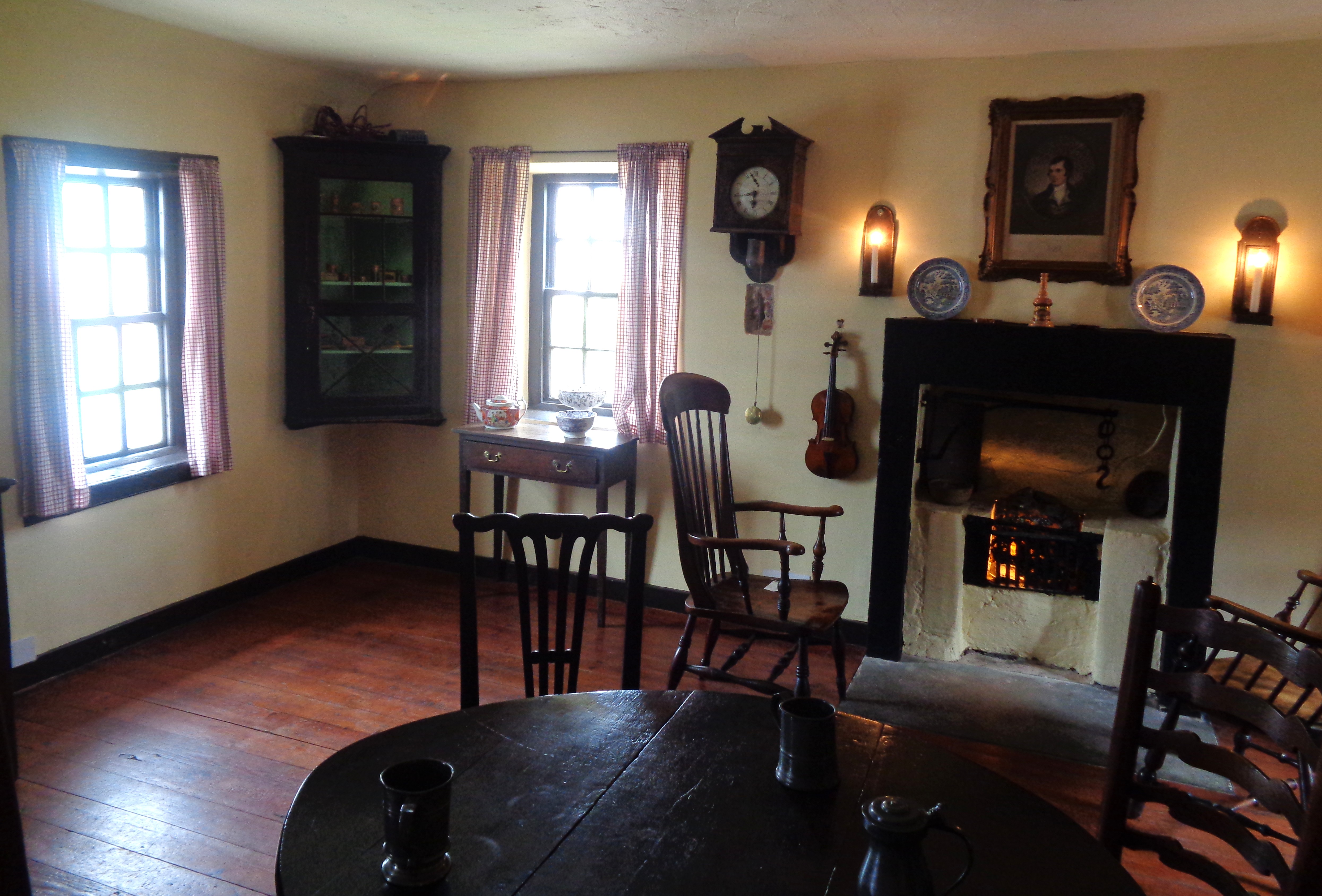
Listening had rules of its own. Private conversations and interruptions were to bring a reprimand for the first offence, a doubled share of the bill for the second, and a trebled share for the third. A member could intervene after asking the president’s leave. Swearing and obscene conversation carried the same penalties. The regulations also guarded what was said in the room: revealing another member’s speeches to ridicule him could mean permanent expulsion and the loss of the others’ friendship.[1]
Admission depended on the unanimous consent of the members. Numbers were limited to sixteen bachelors from Tarbolton parish, although a member who married could remain if a majority agreed. The final rule asked for a frank, honest, open-hearted man who professed love for at least one woman. It rejected self-importance and the single-minded pursuit of money. Its ideal member could be happy with a true friend, a kind sweetheart and the means to make ends meet respectably. The closing toast was to the women the members loved.[1]
Friendship and education became subjects for argument themselves. Currie listed questions about whether love or friendship brought greater happiness, and whether friends should keep anything back from one another. Another asked whether a young man of the lower ranks was more likely to be happy with a good education and a well-informed mind, or with only the education of those around him.[1]
The company grew. Its history records David Sillar’s admission in May 1781 and further members during the following year. In July 1782 they celebrated the society with a dance, each bringing a partner. The account remembered that evening’s good humour with pleasure.[1]
Currie said that a later quarrel ended the society and that its records were burned, while the historical preamble and regulations were spared.[1]
References
[1] James Currie, ed., The Works of Robert Burns; with an Account of His Life, vol. I (Liverpool: J. M’Creery, 1800), pp. 106–110, including the club’s historical preamble; pp. 120–121, footnote on speech notes and debate questions; Appendix II, Note C, pp. 365–369, containing the ten rules. Digitised copy ↗.